
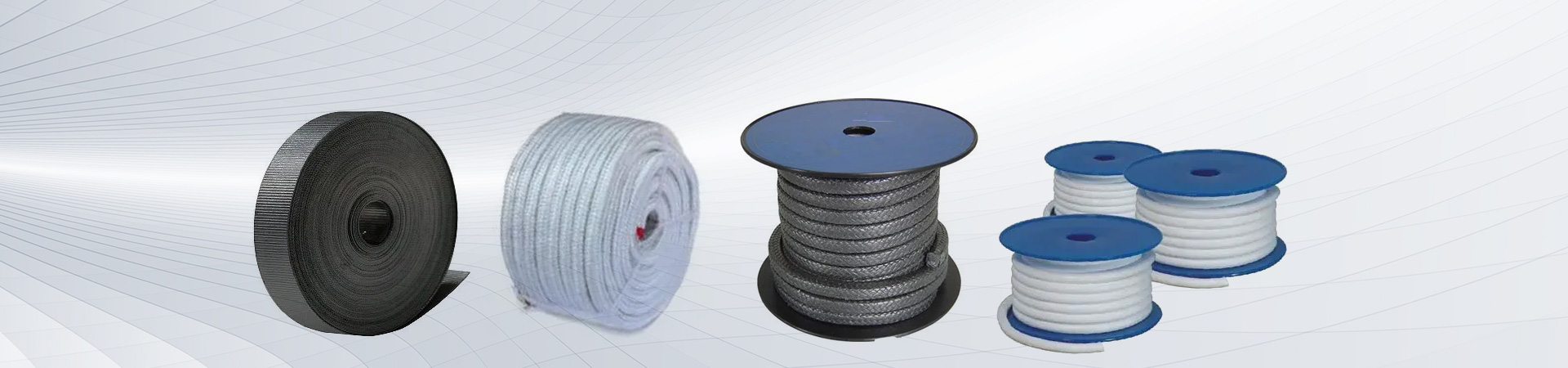
Synthetic fiber rubber gaskets are essential components used in various industries to create seals between surfaces, preventing leaks of fluids or gases. These gaskets are manufactured by combining synthetic fibers with rubber compounds, resulting in a durable, flexible, and resistant material. They are widely applied in automotive, aerospace, plumbing, and industrial machinery due to their excellent performance under pressure, temperature variations, and chemical exposure. Unlike traditional gaskets, synthetic fiber rubber gaskets offer enhanced longevity and adaptability, making them a preferred choice for demanding environments.
Synthetic fiber rubber gaskets boast several advantages that set them apart from other sealing solutions. They provide superior compression and recovery, ensuring a tight seal even after repeated use. Their resistance to oils, chemicals, and extreme temperatures (-40°C to 120°C) makes them versatile for diverse applications. Additionally, these gaskets are lightweight, easy to install, and cost-effective, reducing maintenance costs and downtime. The synthetic fibers reinforce the rubber, improving tensile strength and reducing the risk of tearing or deformation under stress.
To help you understand the technical aspects, here are the detailed parameters of our synthetic fiber rubber gaskets presented in lists and tables for clarity.
| Property | Value Range | Testing Standard |
|---|---|---|
| Hardness (Shore A) | 50 - 90 | ASTM D2240 |
| Tensile Strength | 10 - 20 MPa | ASTM D412 |
| Elongation at Break | 200% - 500% | ASTM D412 |
| Compression Set | 10% - 25% | ASTM D395 |
| Temperature Range | -40°C to 120°C | ASTM D1329 |
| Chemical | Resistance Level | Notes |
|---|---|---|
| Oil and Grease | Excellent | Ideal for automotive applications |
| Water and Steam | Good to Excellent | Resists hydrolysis |
| Acids and Alkalis | Moderate to Good | Depends on concentration; avoid strong acids |
| Solvents | Fair to Good | Check compatibility for specific solvents |
Our synthetic fiber rubber gaskets come in various sizes to fit different applications. Common dimensions include:
Custom sizes are available upon request, tailored to specific requirements.
These gaskets are utilized in numerous sectors due to their reliability. Key applications include:
What are synthetic fiber rubber gaskets made of?
Synthetic fiber rubber gaskets are composed of a rubber base (such as NBR or EPDM) reinforced with synthetic fibers like aramid or polyester, along with additives for improved durability and resistance.
How do I choose the right gasket for my application?
Consider factors like temperature range, chemical exposure, pressure requirements, and size. Refer to the product parameters tables above or consult with our technical team for guidance based on your specific needs.
Can synthetic fiber rubber gaskets withstand high temperatures?
Yes, these gaskets are designed to operate in temperatures from -40°C to 120°C, making them suitable for most industrial and automotive environments. For higher temperatures, special compounds may be required.
Are these gaskets resistant to oils and chemicals?
Absolutely. Synthetic fiber rubber gaskets offer excellent resistance to oils, greases, water, and many chemicals. However, always check the chemical resistance table for specific compatibility, especially with strong acids or solvents.
How long do synthetic fiber rubber gaskets last?
With proper installation and maintenance, these gaskets can last for several years, depending on the application conditions. Factors like constant exposure to extreme temperatures or aggressive chemicals may reduce lifespan.
Can I get custom-sized gaskets?
Yes, we provide custom manufacturing for synthetic fiber rubber gaskets to meet unique dimensional requirements. Contact us with your specifications for a quote.
How should I store synthetic fiber rubber gaskets?
Store them in a cool, dry place away from direct sunlight, ozone, and chemicals to prevent degradation. Avoid bending or compressing them unnecessarily to maintain their shape and performance.
What is the installation process for these gaskets?
Ensure surfaces are clean and dry. Place the gasket evenly between the flanges or surfaces, and tighten bolts or fasteners gradually in a cross pattern to avoid distortion. Follow torque specifications for best results.
Do synthetic fiber rubber gaskets require any maintenance?
Regular inspection for wear, compression set, or damage is recommended. Replace gaskets if signs of leakage or deterioration appear to prevent system failures.
Are these gaskets environmentally friendly?
Many synthetic fiber rubber gaskets are made from recyclable materials and comply with environmental regulations. However, disposal should follow local guidelines, especially if contaminated with chemicals.


