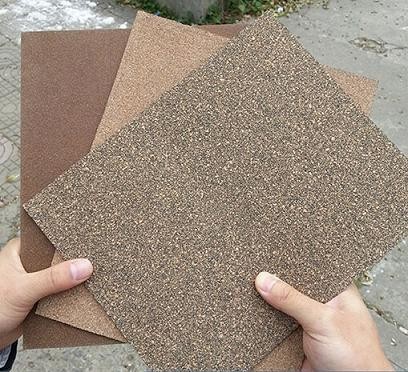
Cork sheet is a versatile, natural material harvested from the bark of cork oak trees, primarily grown in Mediterranean regions. It is known for its unique cellular structure, which provides exceptional properties such as thermal insulation, sound absorption, and resilience. Cork sheets are widely used in various industries, including construction, automotive, and crafts, due to their eco-friendliness and durability.
Our cork sheets come in various specifications to meet diverse application needs. Below is a table outlining the standard parameters available.
| Parameter | Description | Available Options |
|---|---|---|
| Thickness | The depth of the cork sheet, affecting insulation and comfort. | 2mm, 4mm, 6mm, 10mm, 12mm |
| Density | Mass per unit volume, influencing durability and performance. | 120 kg/m³, 160 kg/m³, 200 kg/m³ |
| Size (Length x Width) | Dimensions of the sheet for coverage area. | 100cm x 50cm, 200cm x 100cm, Custom sizes available |
| Color | Natural hue or treated options for aesthetic purposes. | Natural Brown, Dark Brown, Black, Custom colors |
| Surface Finish | Texture and treatment for specific applications. | Smooth, Granulated, Sealed, Unsealed |
| Fire Resistance | Compliance with safety standards for fire retardancy. | Class B, Class C, Non-treated |
| Applications | Recommended uses based on properties. | Flooring, Wall Coverings, Insulation, Crafts, Gaskets |
Cork sheets offer numerous advantages, making them a preferred choice in many sectors. Their natural composition ensures sustainability, while their physical properties provide practical benefits. For instance, in construction, cork sheets serve as effective insulators, reducing heat loss and noise pollution. In homes, they add a warm, natural aesthetic and are comfortable underfoot. Additionally, cork is hypoallergenic and resistant to pests, enhancing indoor air quality and safety.
What is cork sheet made from?
Cork sheet is made from the bark of the cork oak tree (Quercus suber), which is harvested sustainably without harming the tree. The bark is processed, ground, and then compressed into sheets using heat and natural resins.
How durable is cork sheet?
Cork sheet is highly durable due to its compressible and elastic nature. It can withstand heavy foot traffic, impacts, and compression without permanent deformation, lasting for decades with proper care.
Is cork sheet waterproof?
While cork sheet is naturally resistant to moisture and does not absorb water easily, it is not entirely waterproof. For applications in wet areas, it is recommended to use sealed or treated cork sheets to enhance water resistance.
Can cork sheet be used for insulation?
Yes, cork sheet is an excellent insulator for both thermal and acoustic purposes. Its cellular structure traps air, reducing heat transfer and sound waves, making it ideal for insulating walls, floors, and ceilings.
How do I install cork sheet?
Installation methods vary based on application. For flooring, it can be glued down using adhesive. For walls, it may be nailed or stapled. Always ensure the surface is clean, dry, and flat. Cutting is easy with a utility knife or saw.
Is cork sheet eco-friendly?
Absolutely. Cork is a renewable resource, as harvesting the bark does not kill the tree, and it regenerates. Cork sheets are biodegradable and often produced with low environmental impact, supporting sustainable practices.
What maintenance does cork sheet require?
Maintenance is minimal. Regular sweeping or vacuuming keeps it clean. For sealed cork, occasional mopping with a damp cloth is sufficient. Avoid harsh chemicals to preserve its natural properties.
Can cork sheet be painted or stained?
Yes, cork sheet can be painted or stained to match decor. Use water-based paints or stains specifically designed for porous materials. Test on a small area first to ensure desired results.
Where can I buy cork sheets?
Cork sheets are available at hardware stores, specialty suppliers, and online retailers. Ensure you purchase from reputable sources to guarantee quality and sustainability certifications.
What are the cost considerations for cork sheet?
Cost varies based on thickness, density, and treatment. Generally, it is affordable compared to synthetic alternatives, with prices ranging from $5 to $20 per square foot, depending on specifications.